It started with a phone number I didn't recognise.
In 2018 I got a call from an overseas number. On the other end was Thomas Tancred, a director based in LA with an Australian mother, who had come across a news article about a strange disappearance in a remote Northern Territory town called Larrimah. Eleven people lived there. One of them, an old man named Paddy Moriarty and his dog Kellie had vanished without a trace on December 16th, 2017.
Thomas had funding to fly to the NT and shoot a sizzle reel. He needed a DOP. So he searched "Australian DOP" on Vimeo and found my reel.
I grew up in the Northern Territory. Of all the projects that could have come to me out of the blue, this one felt like it was meant to find me.
Choosing the kit
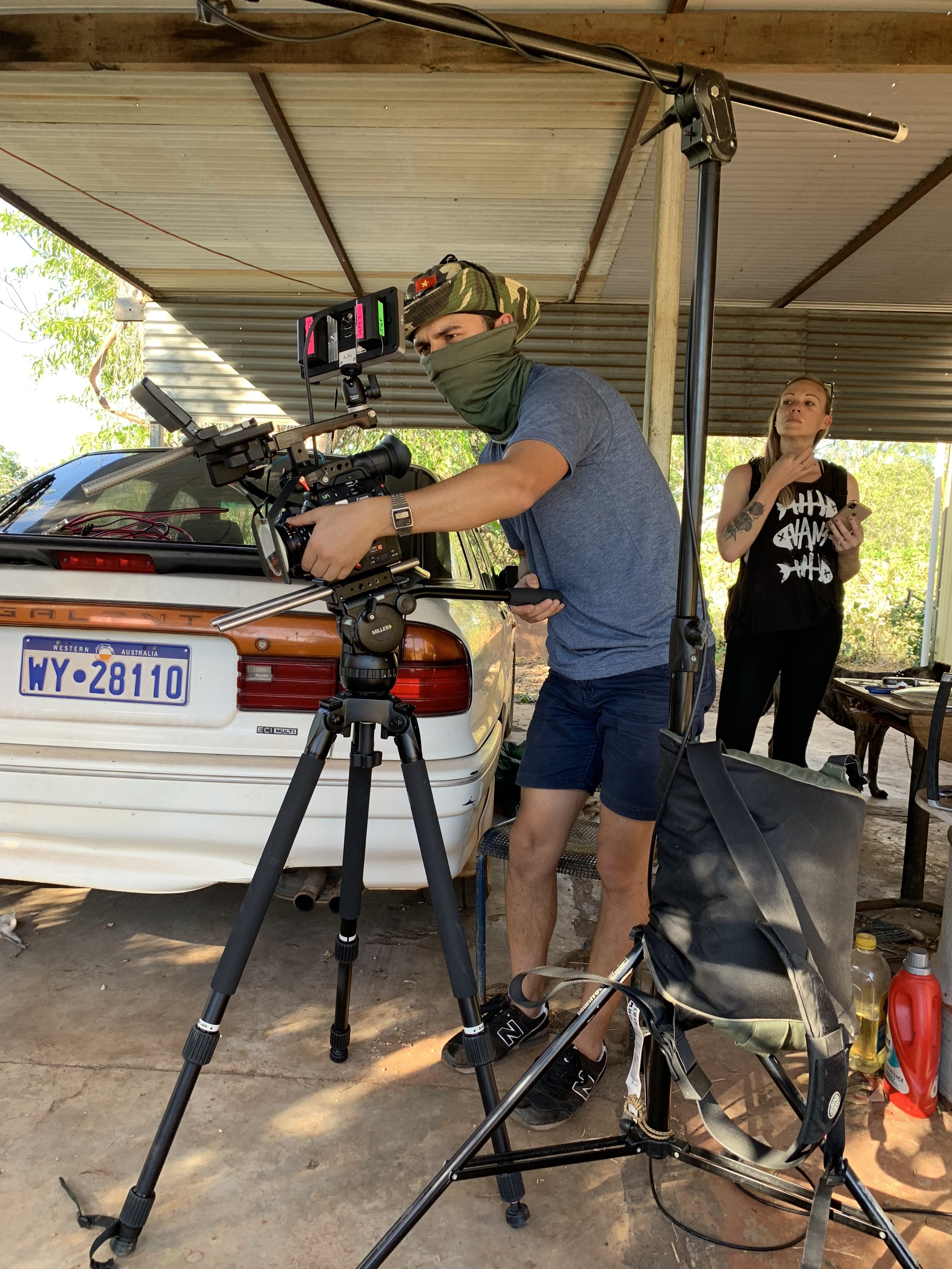
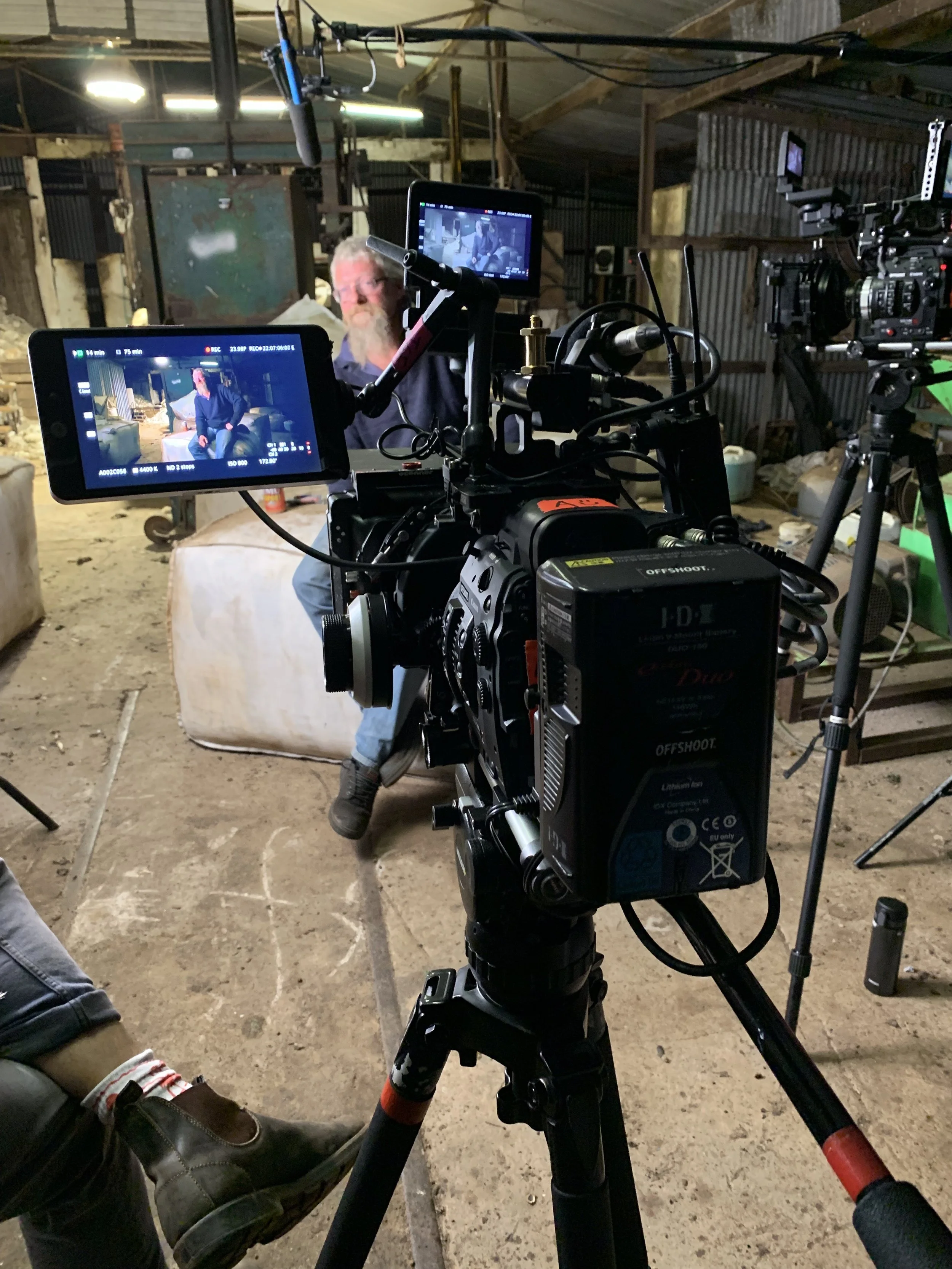
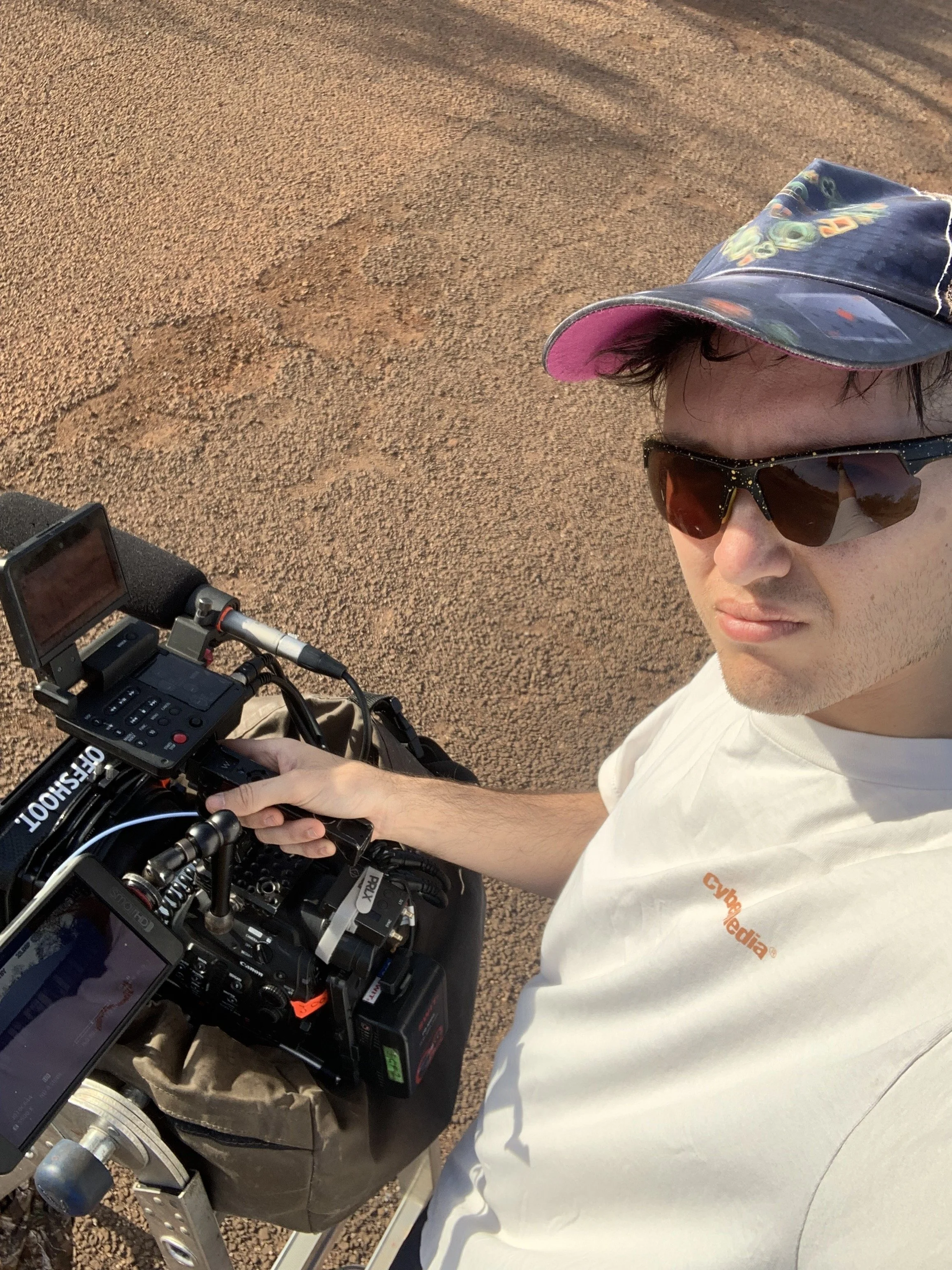
For documentary work you need a camera that disappears. Something small enough that people forget it's there. In 2018 the Canon C300 Mk2 was the go-to for doc work and I loved the form factor, it made sense immediately.
For lenses I went with the Zeiss Standard Speeds. Small, characterful, with a quality towards the edge of the frame that felt right for the world we were shooting in. I ran a 1/8 Black Pro Mist filter across almost every shot on the project, it softens things just enough, takes the digital edge off and gives the image a quality that sits somewhere between memory and reality. Which felt right for a story about a town haunted by its own past.
One deliberate choice: primes only, no zooms. On my previous feature documentary I'd shot on DSLR zoom lenses and a lot of unintentional crash zooms crept into the edit. I didn't want that for this project. Primes kept us disciplined.
The shoot blocks
What followed was one of the more unusual production journeys I've been part of, five shoot blocks spread across nearly four years.
October 2018 — The first trip
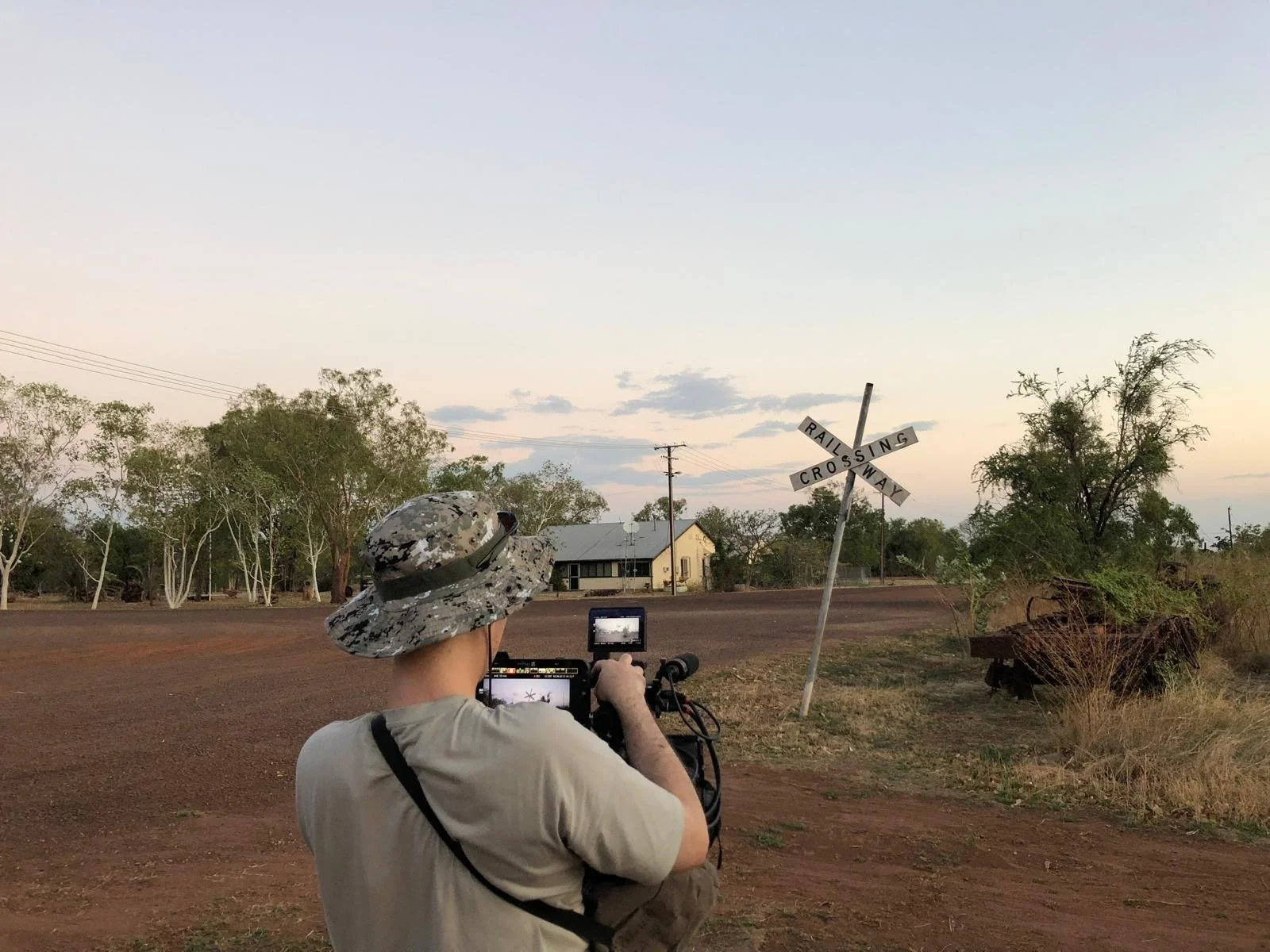
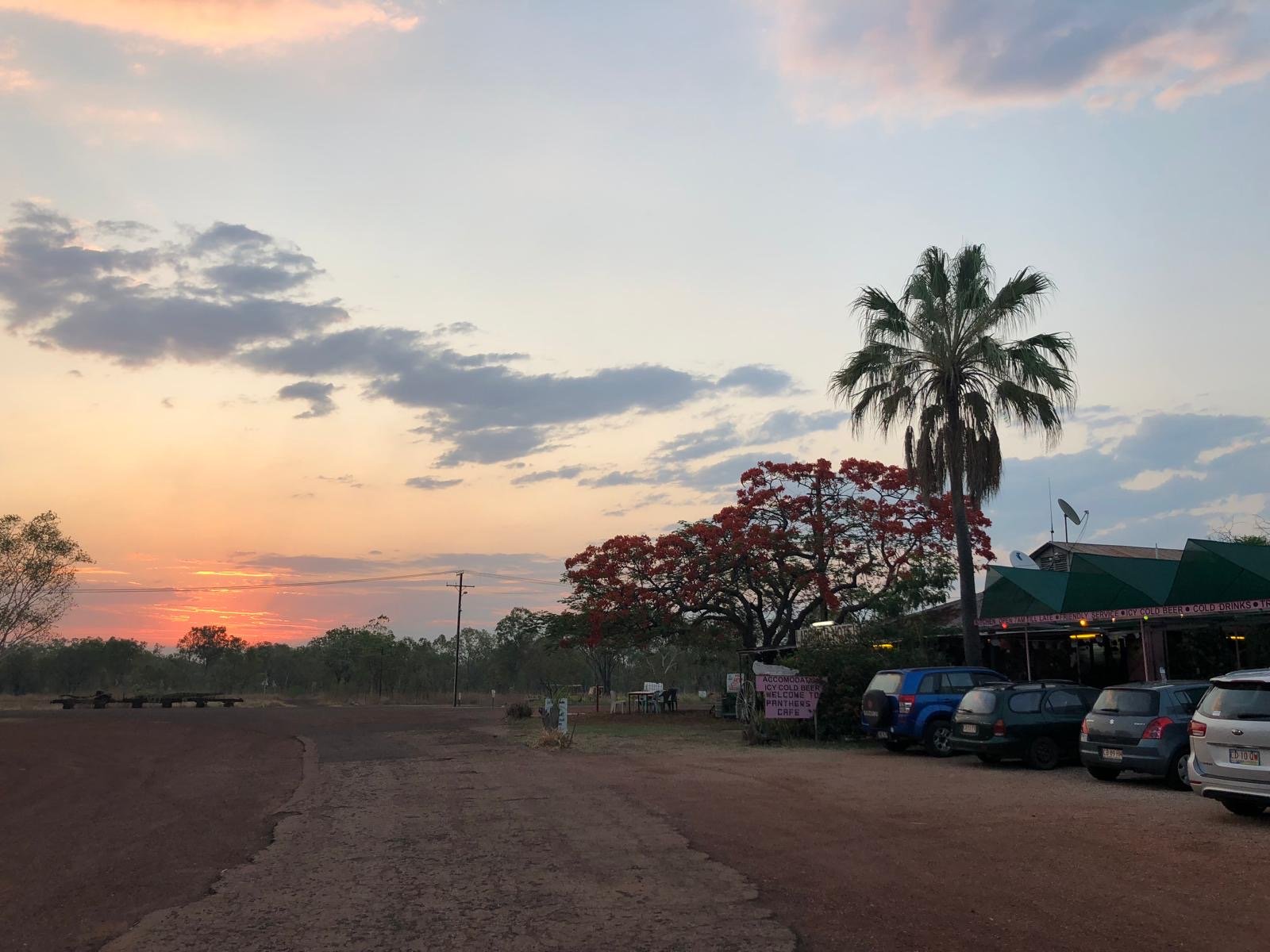
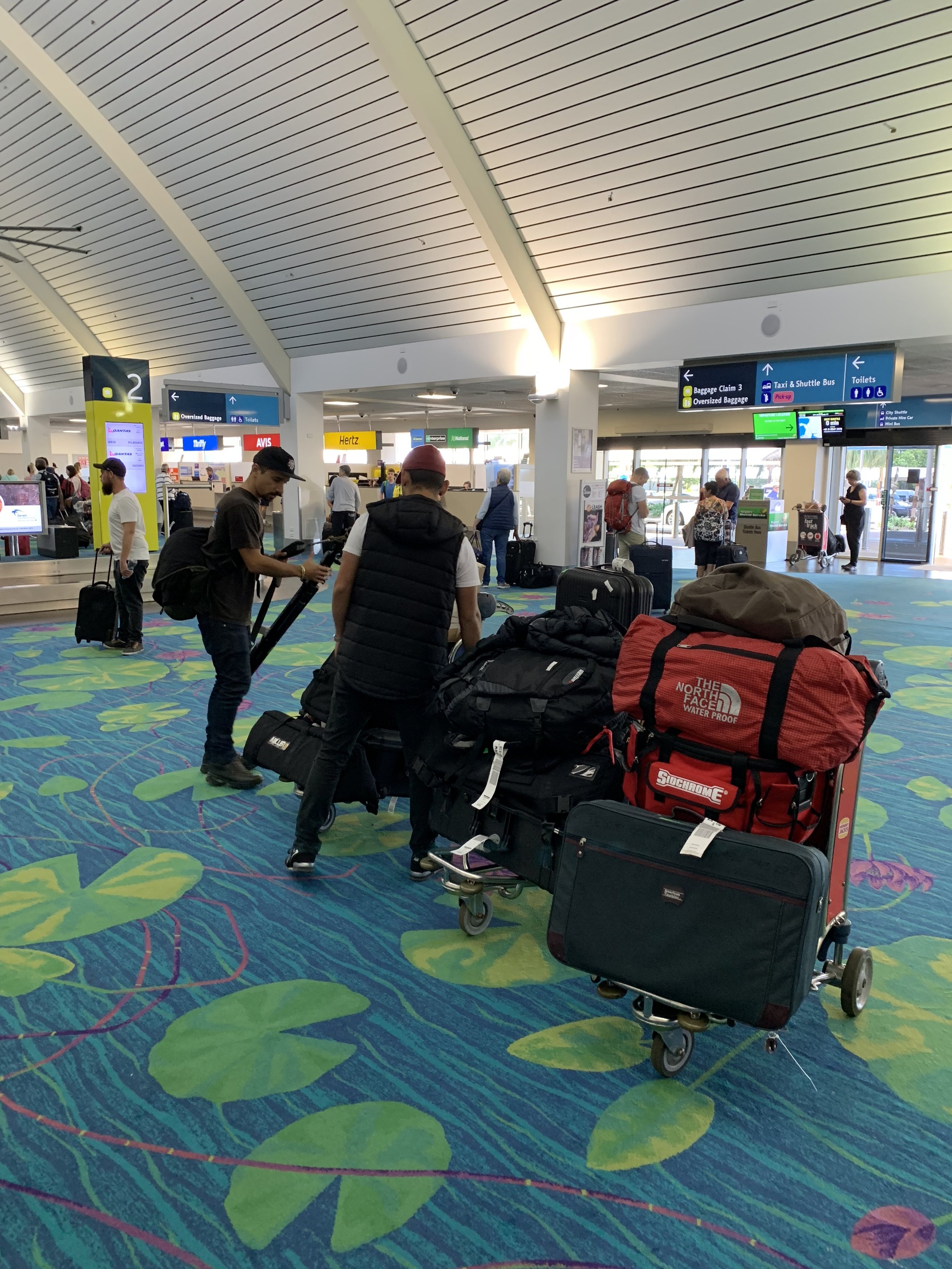
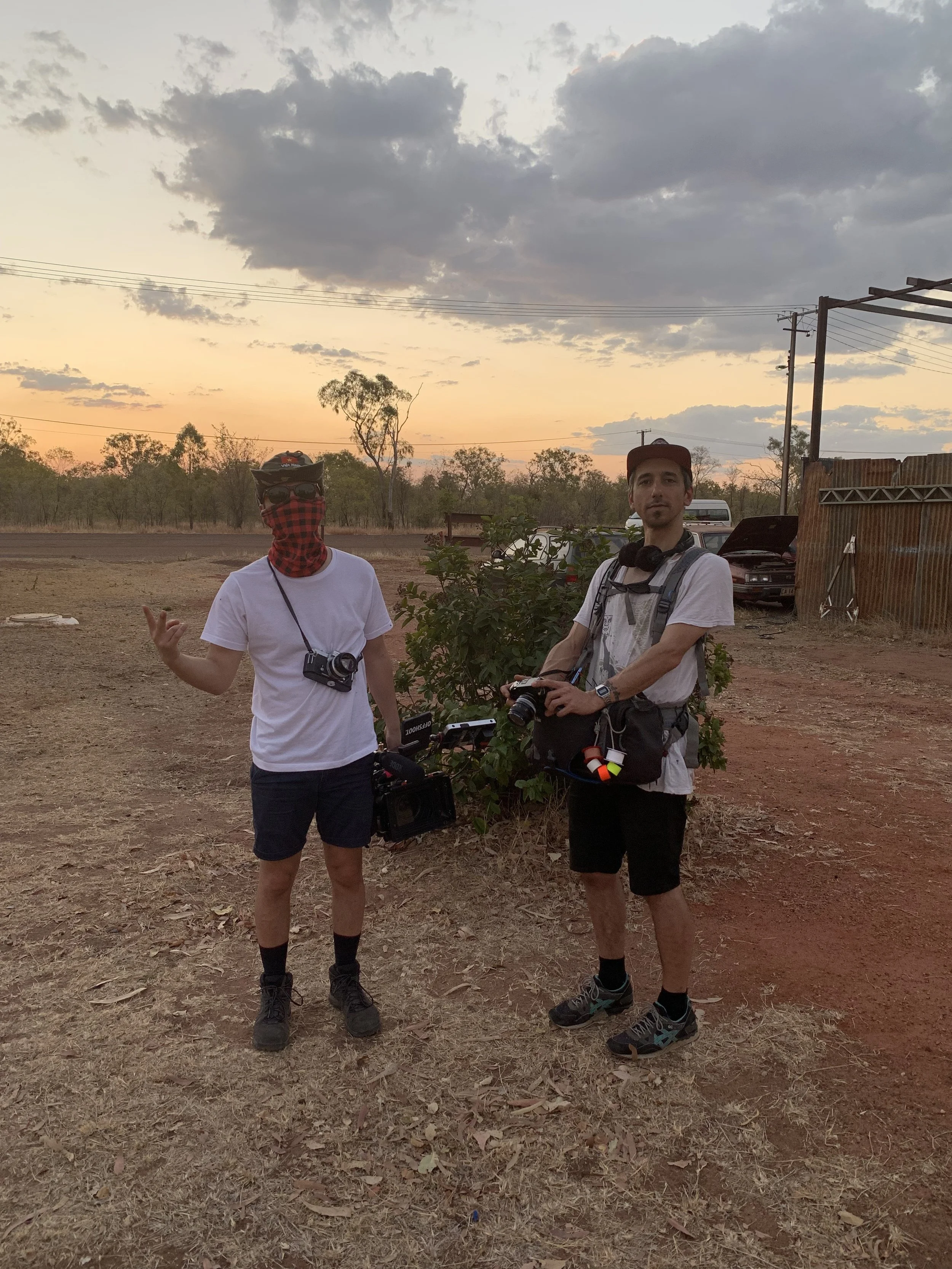
I flew to Darwin with my long-time friend and fellow DOP Nathan Guy, who came on as AC with plans to operate a B camera during interview setups. Pretty quickly we split off and started shooting separate scenes around town. We met all the locals and filmed our hearts out for three or four days. Thomas took everything back to LA and built a sizzle reel good enough to secure further funding.
Early 2019 — Building the story
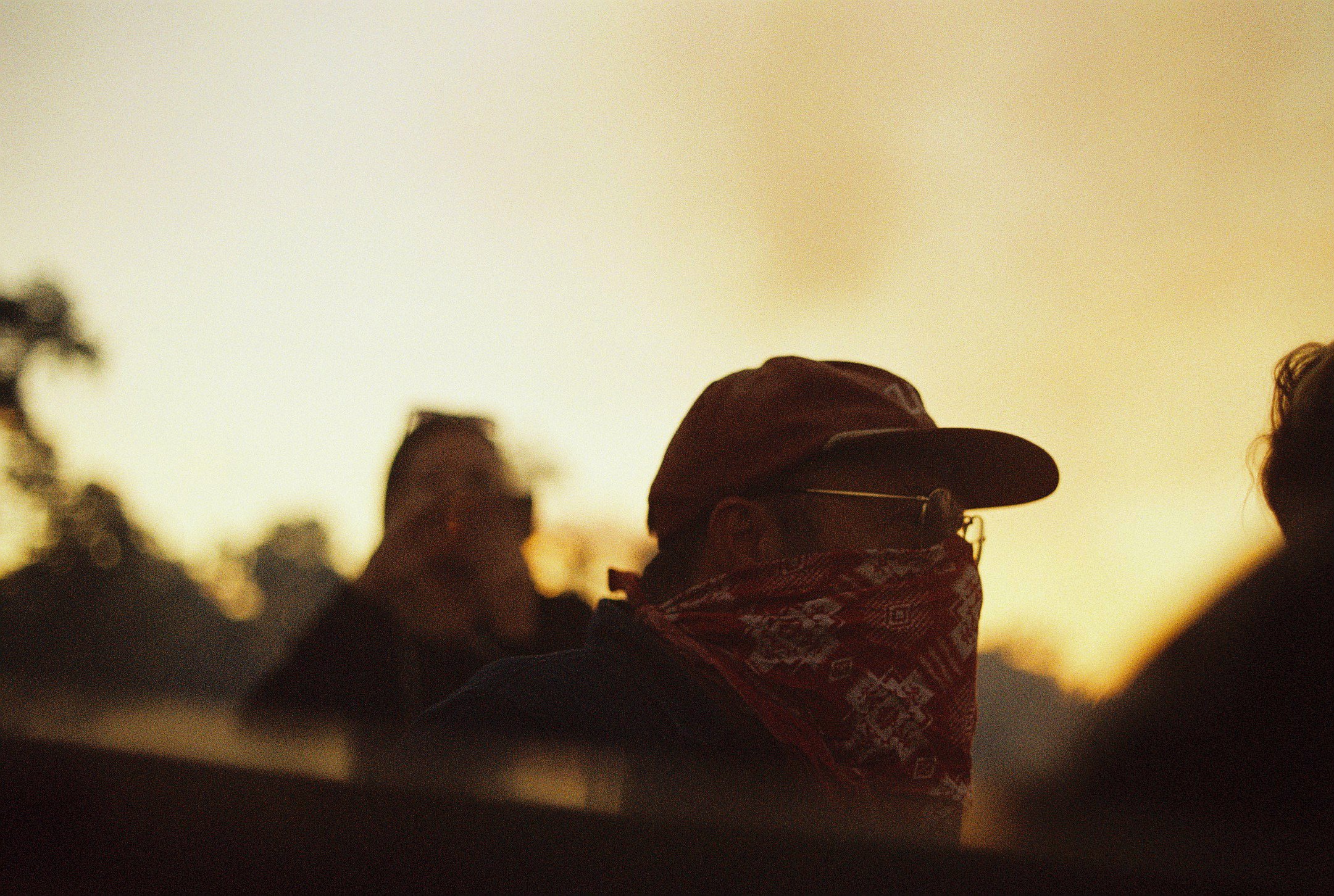
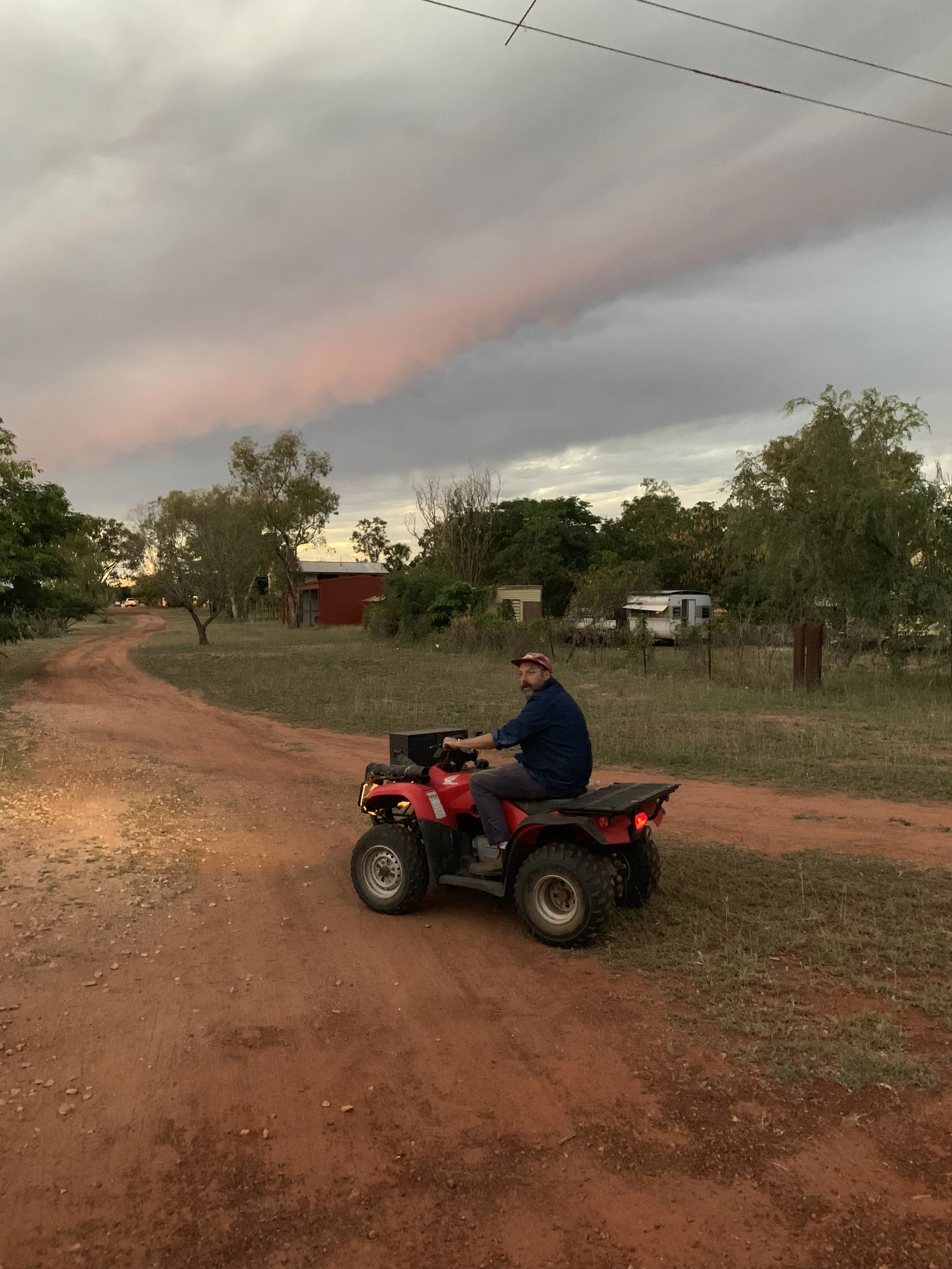
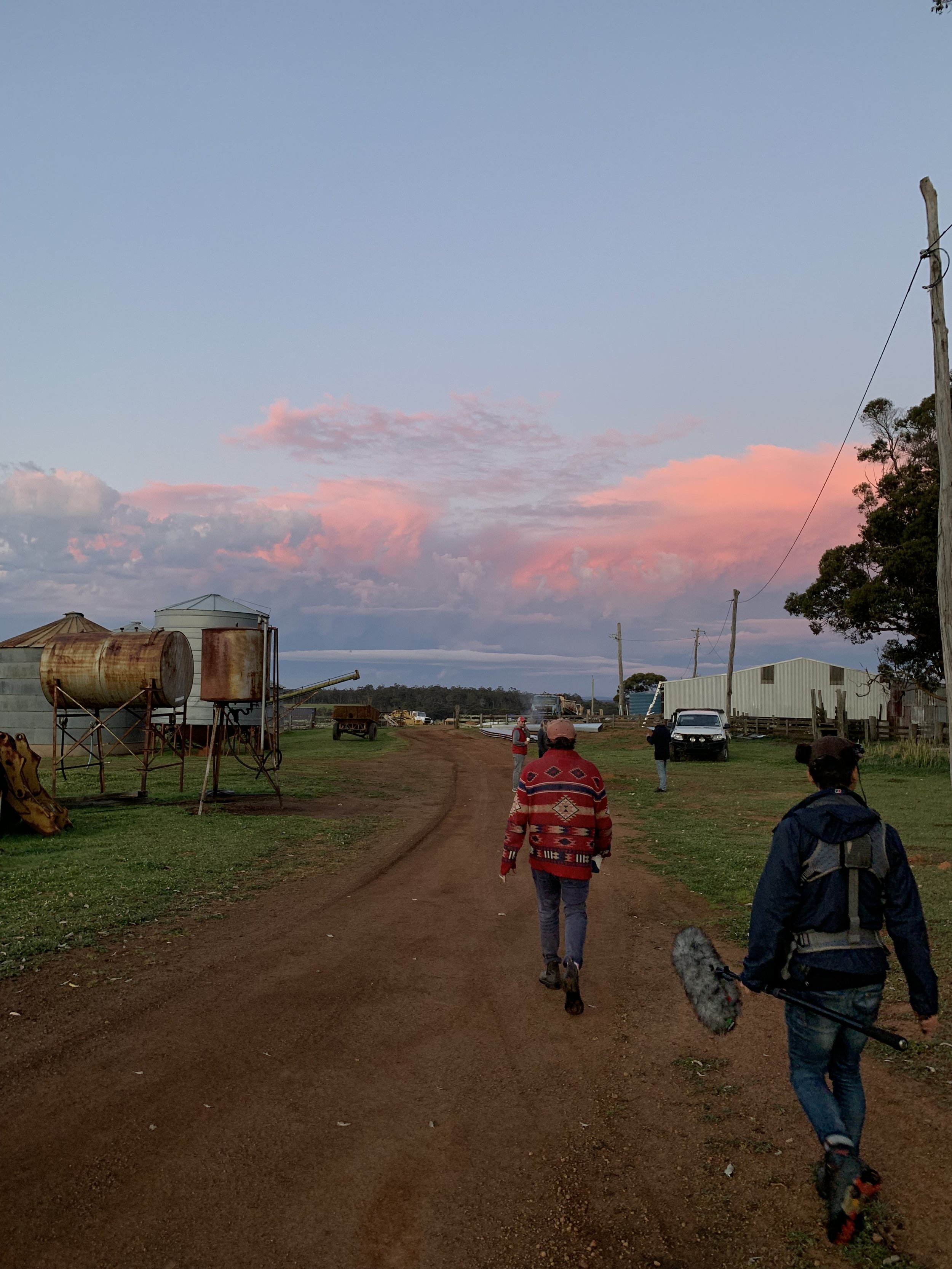
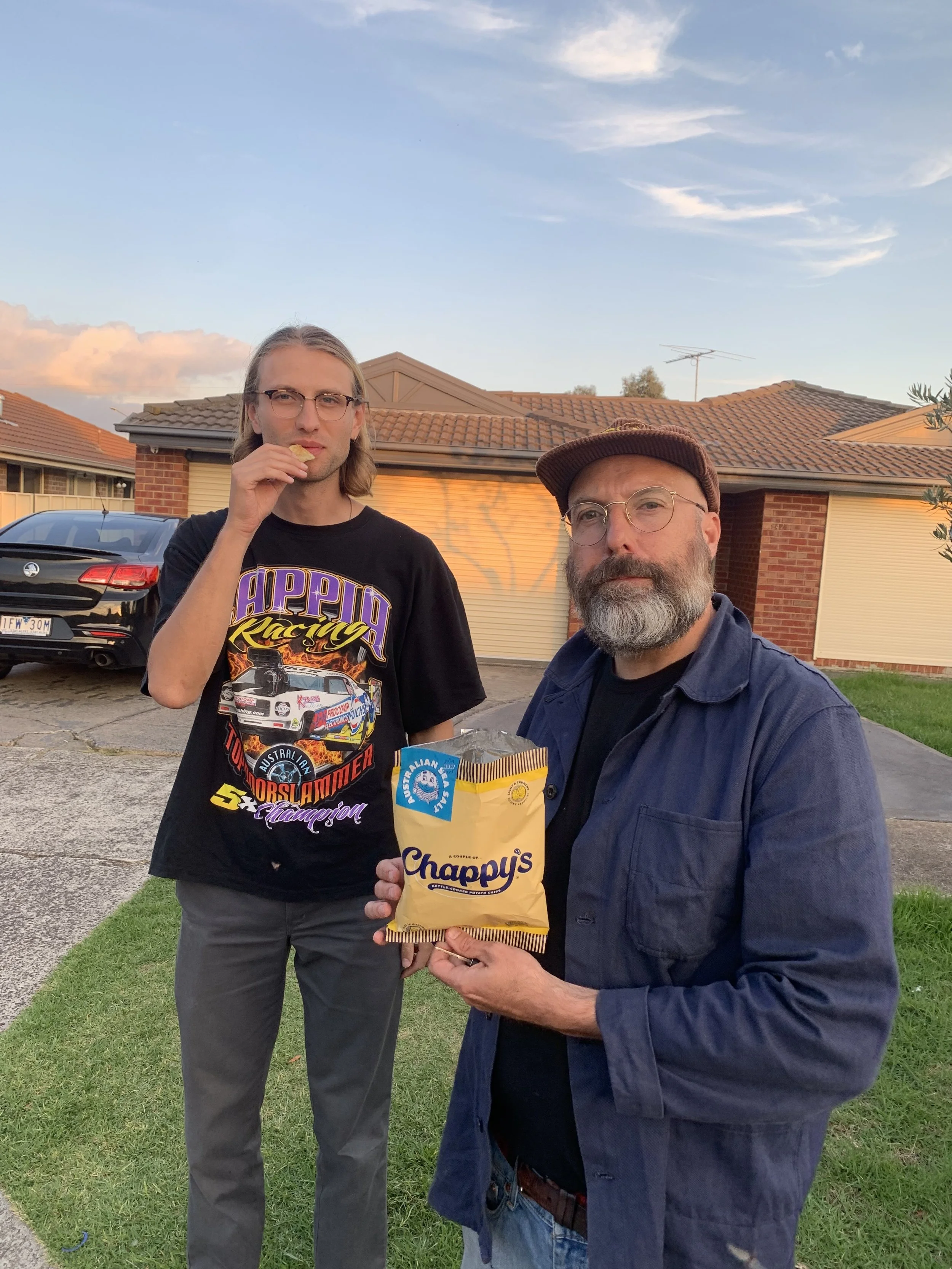
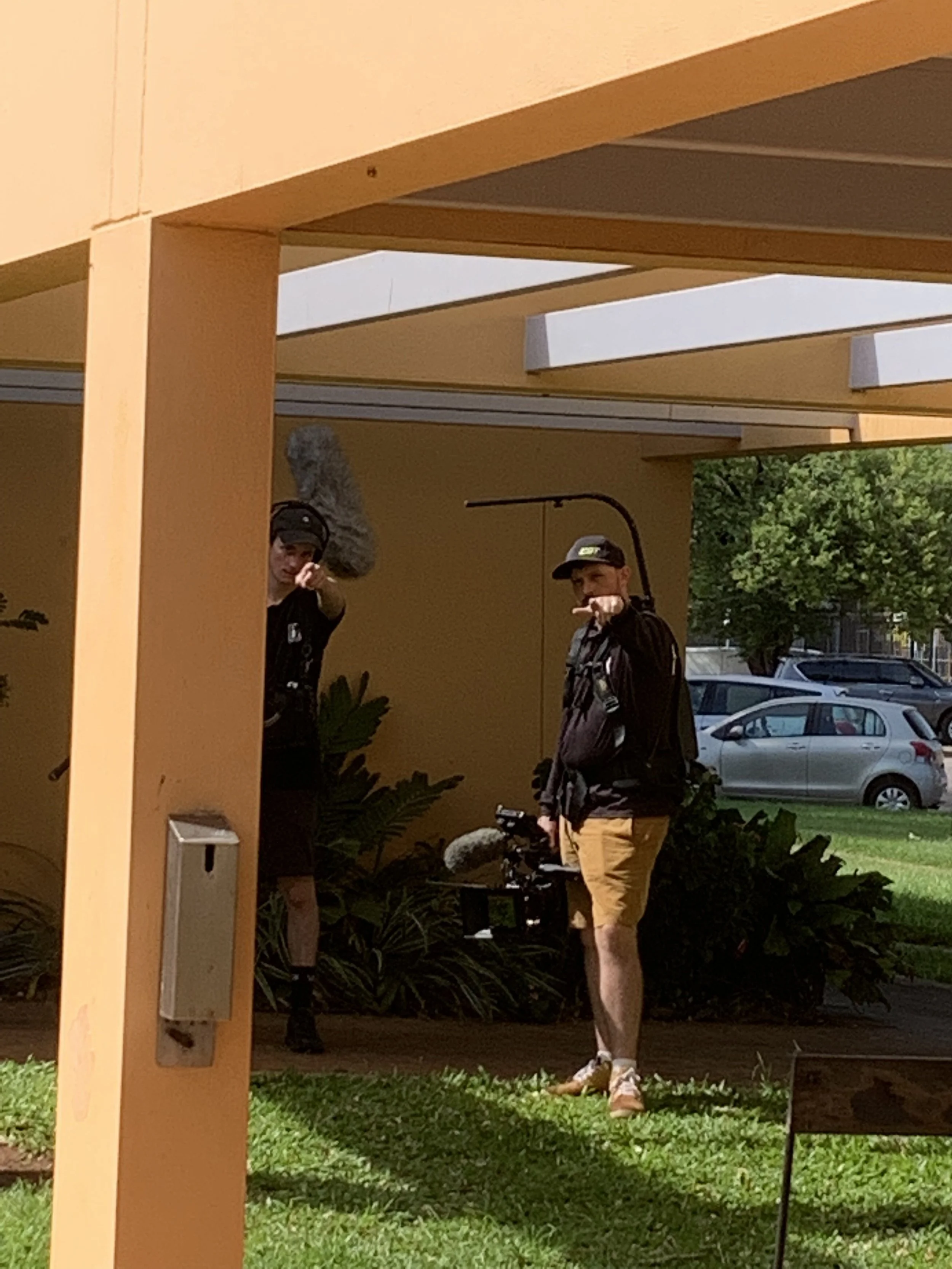
This time my uni mate Taylan Ceylan came with me as AC and second camera operator, with Melbourne soundie Tim McKormic rounding out the crew. It was late wet season in the NT, end of May into early April. The focus was capturing more of the locals' theories about what happened to Paddy, alongside vérité footage and some re-enactment work.
September 2019 — Following the threads
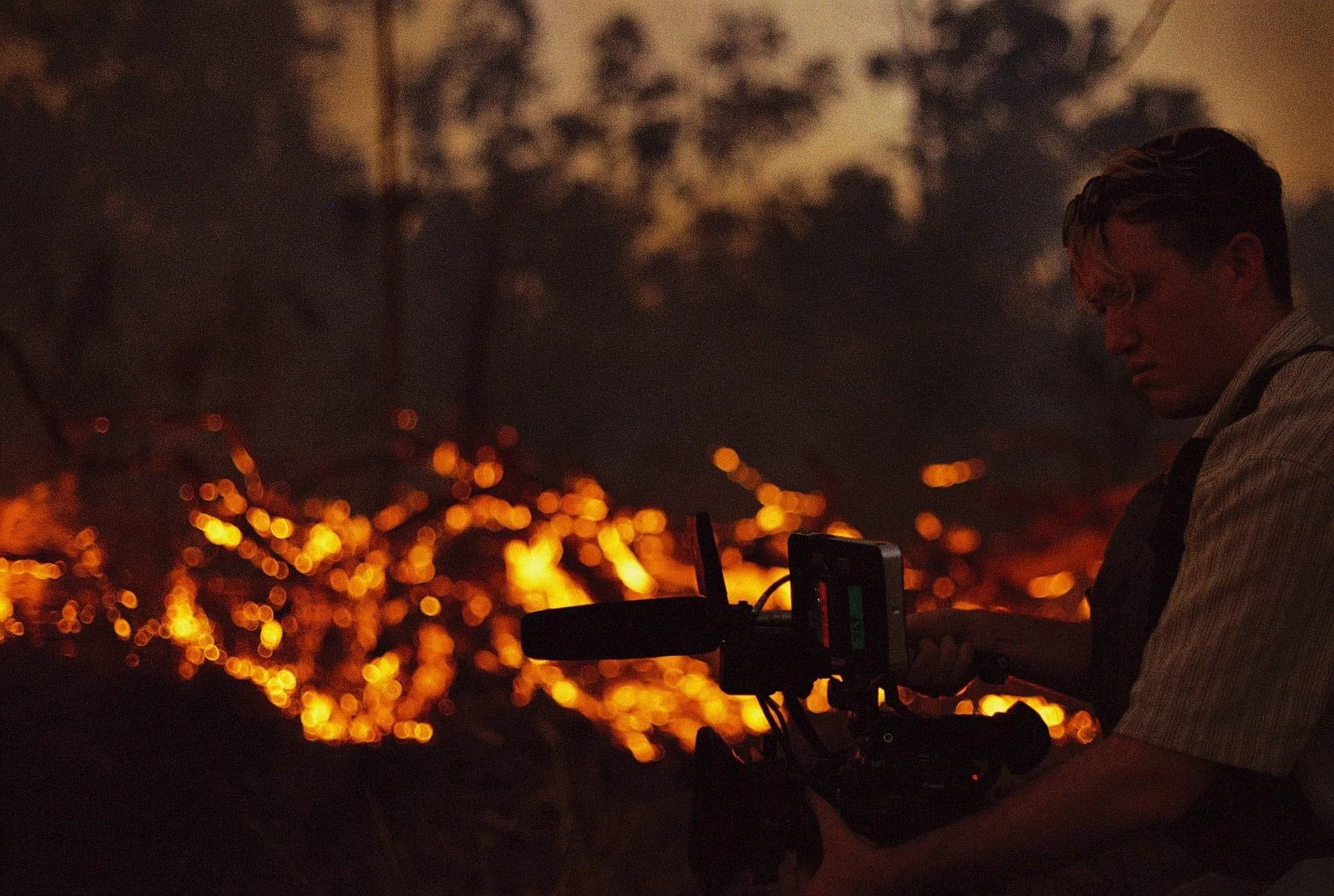
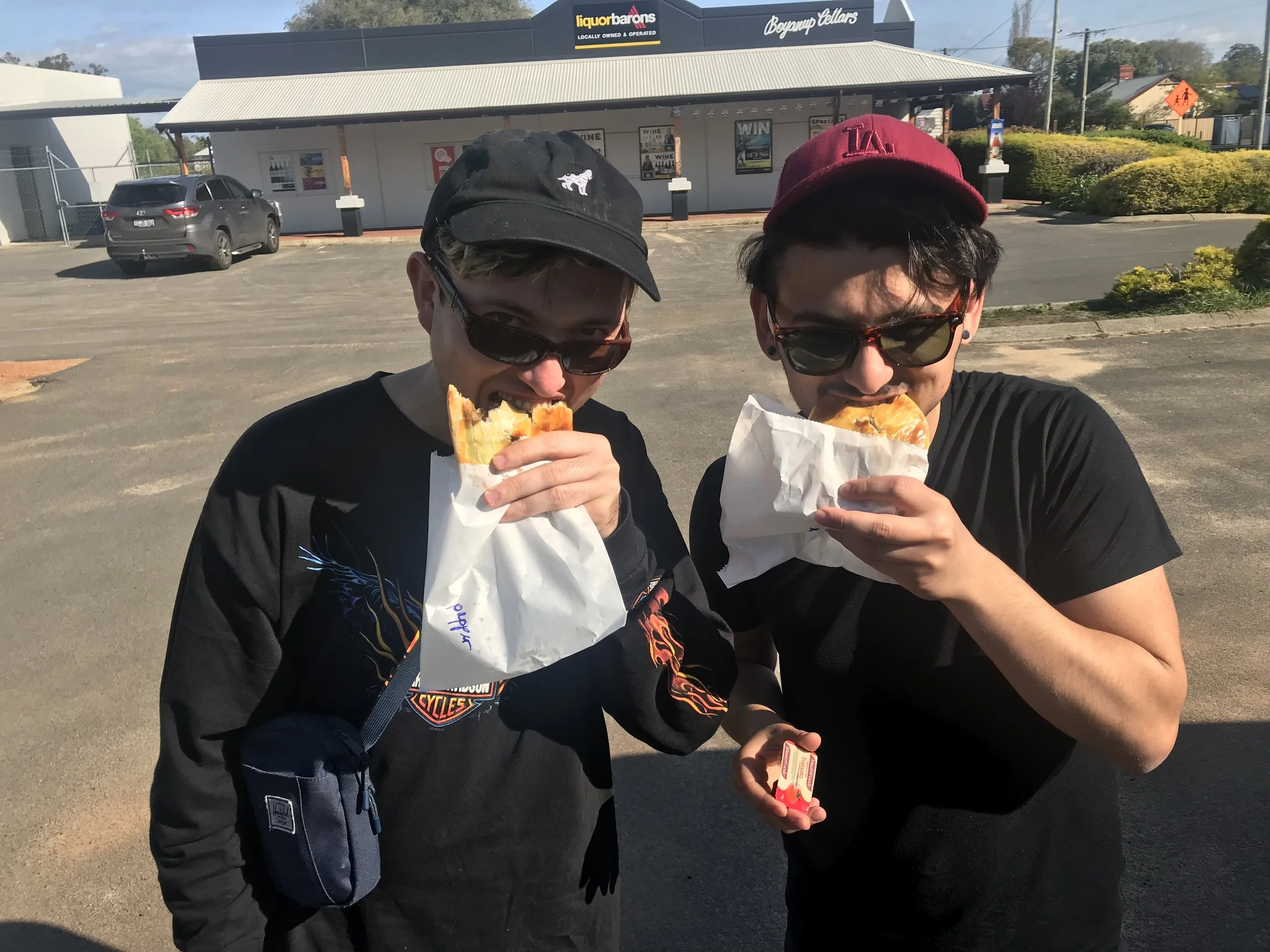
I'd just landed back in Melbourne from a shoot in China and Thailand when we headed out again. This block took us further afield, first we started in Melbourne to film Fran, one of the central figures in the story, who had moved south to be closer to family and hospitals. Then to Western Australia, where we met a former Larrimah pub worker by the side of the road. Thomas jumped in his car as he drove us out to his property. We filmed there for a day, he showed us his guns and his dogs, then we flew to Darwin and drove out to Larrimah, filming a burn-off along the way. On this trip we found old film reels of Larrimah from decades past, footage of a town that looked hopeful and lively.
October 2020 — Shooting through a pandemic
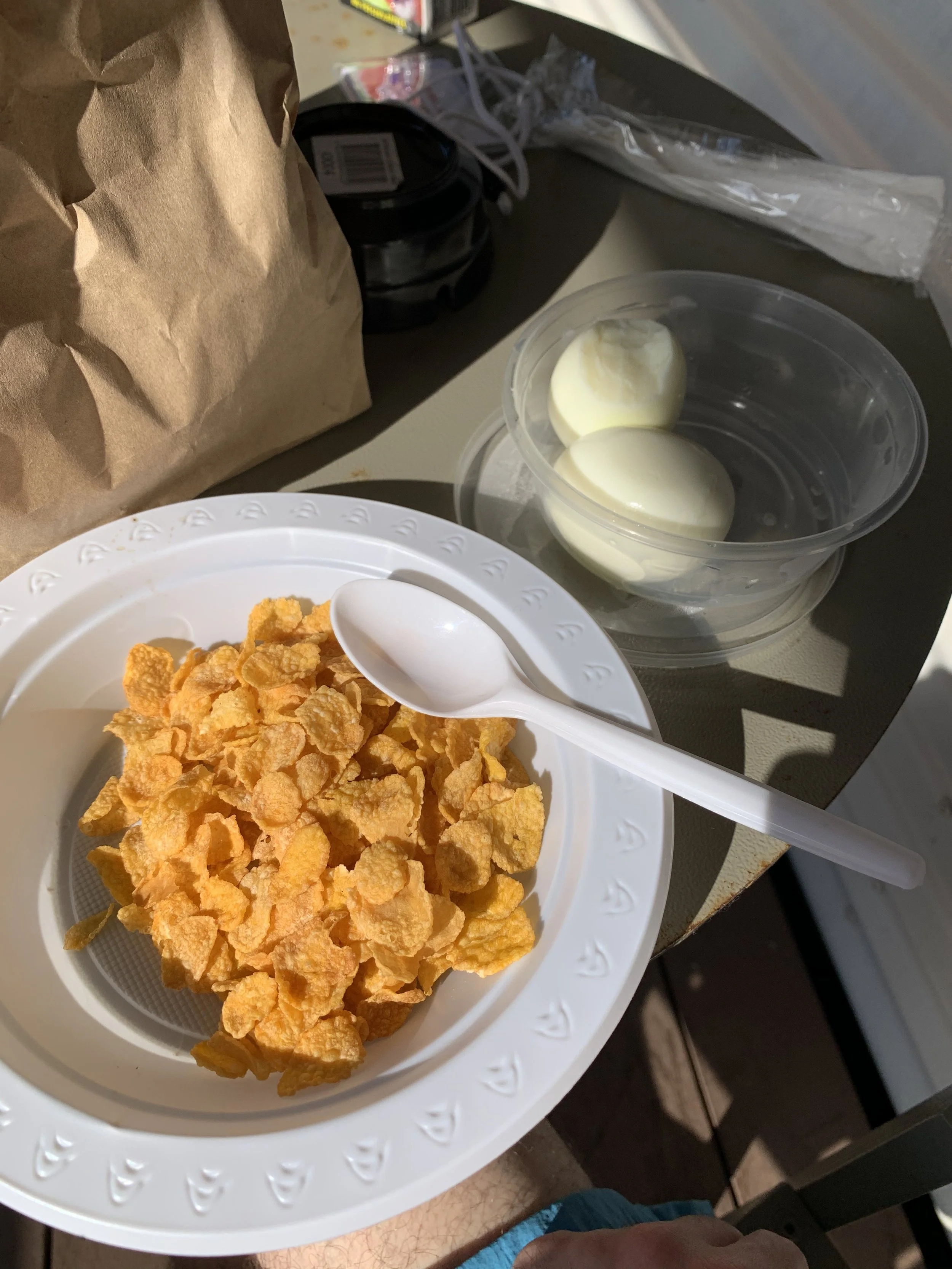
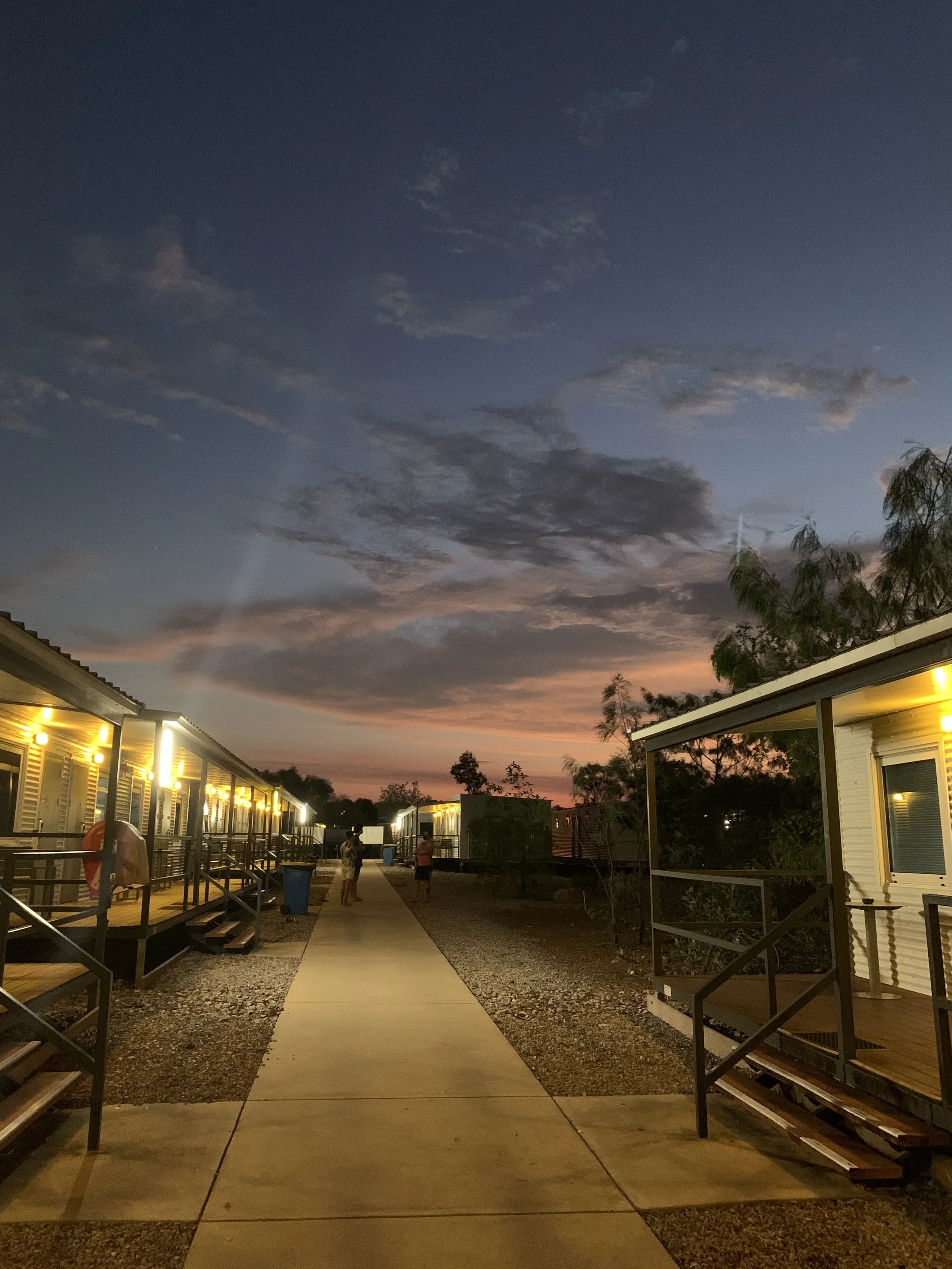
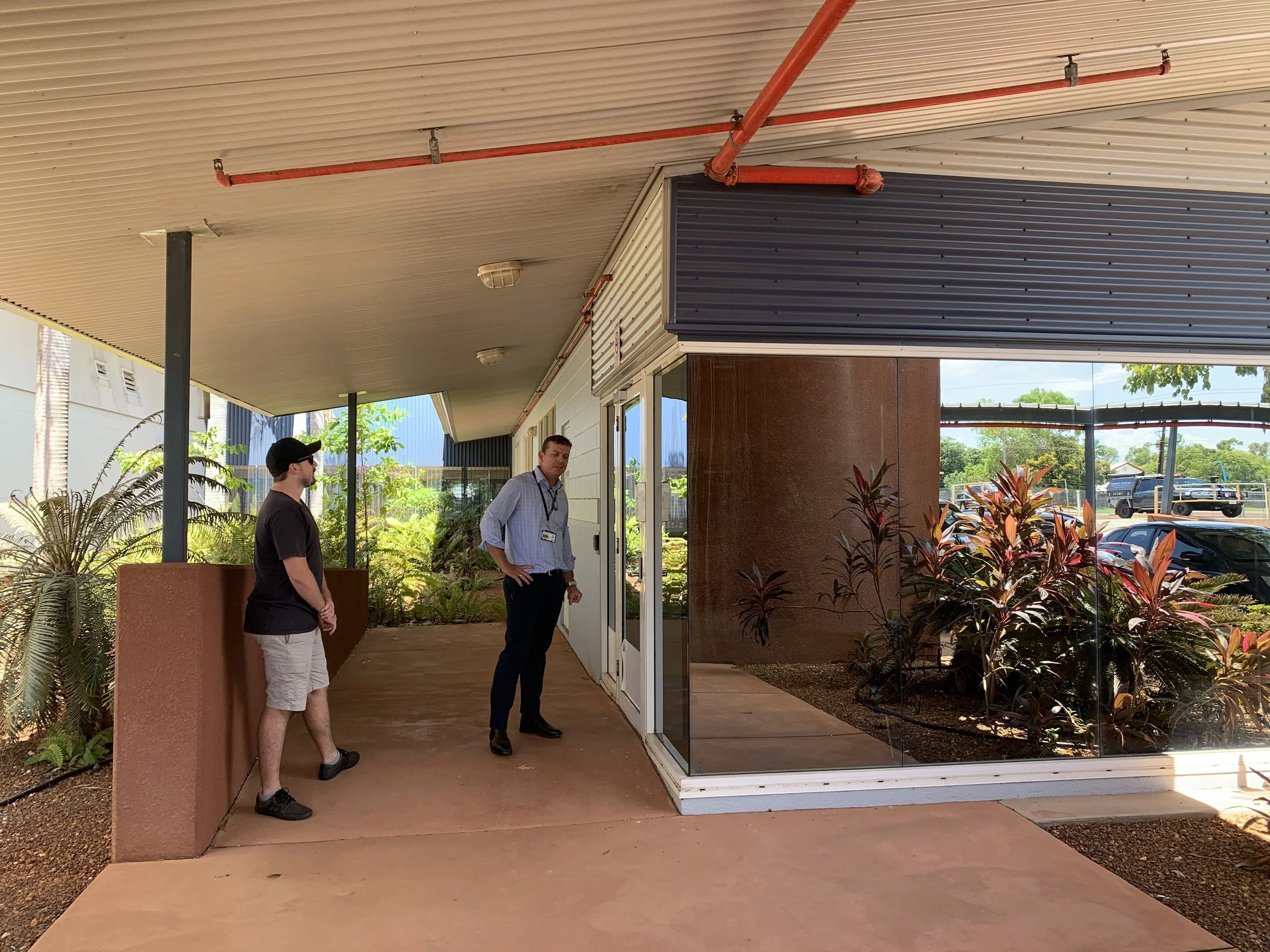
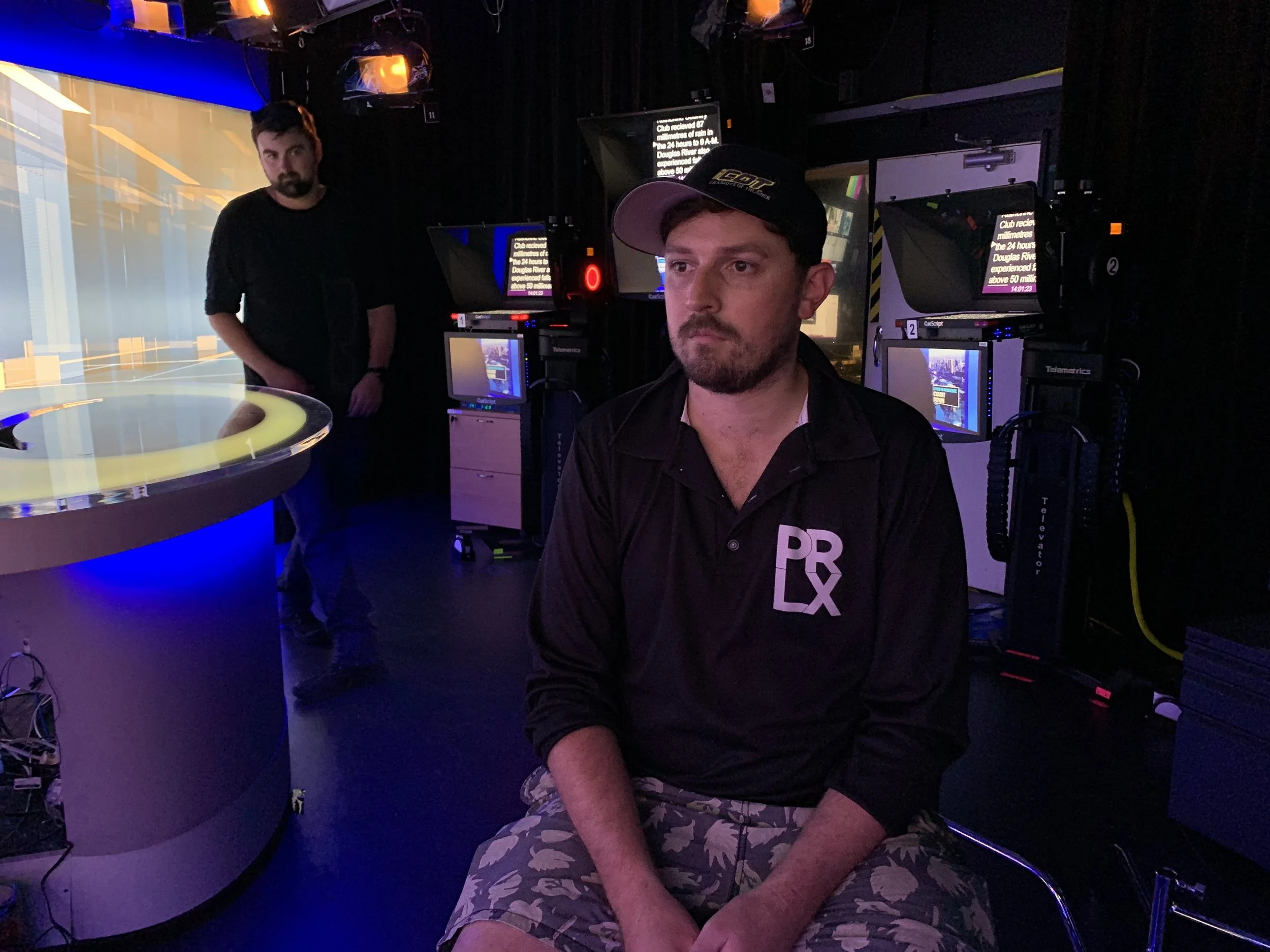
Melbourne was in full lockdown. The US crew couldn't travel. Sometime in early 2020 Ashley Blenkinsop and Felix Baker went out to Larrimah to shoot some drone footage of the town. Later that year in October I flew to Darwin solo and did two weeks of quarantine, we set up interviews with local police, while Thomas joined remotely via Zoom. We also interviewed an ABC reporter, Kristy O’Brien who had covered Paddy's disappearance (I actually used to work for a different news station in Darwin when I was younger and would often be on scene with Kristy). Being back in Darwin after so long in lockdown meant I got some time with family, which I needed.
April 2022 — The courtroom
Owen, Fran's gardener, was attending court. The coroner had released some recordings to the public. Ashley Blenkinsop and the team at PRLX in Darwin filmed the first day of the hearing in Katherine while Nathan Guy and I were in Melbourne capturing Fran's response to the inquest. We flew to Darwin, arrived in Katherine on April 7th to film people coming and going from court, then drove out to Larrimah one more time. I had my birthday there. We filmed the town as it was now, quieter, older, changed. We finished back in Darwin recording narration with Kristy.
That was the last shoot. The end of a four-year journey.
Post and premiere
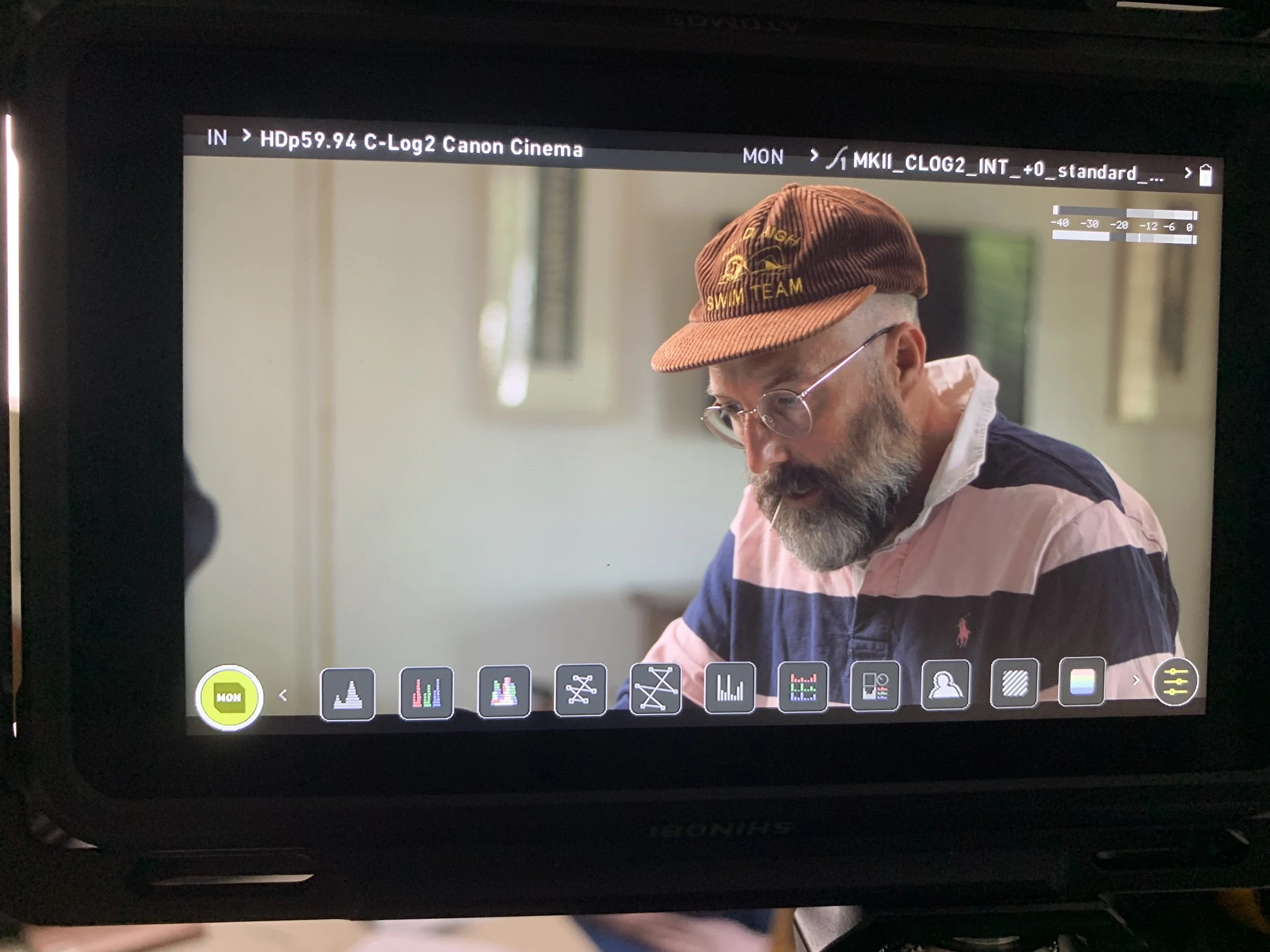
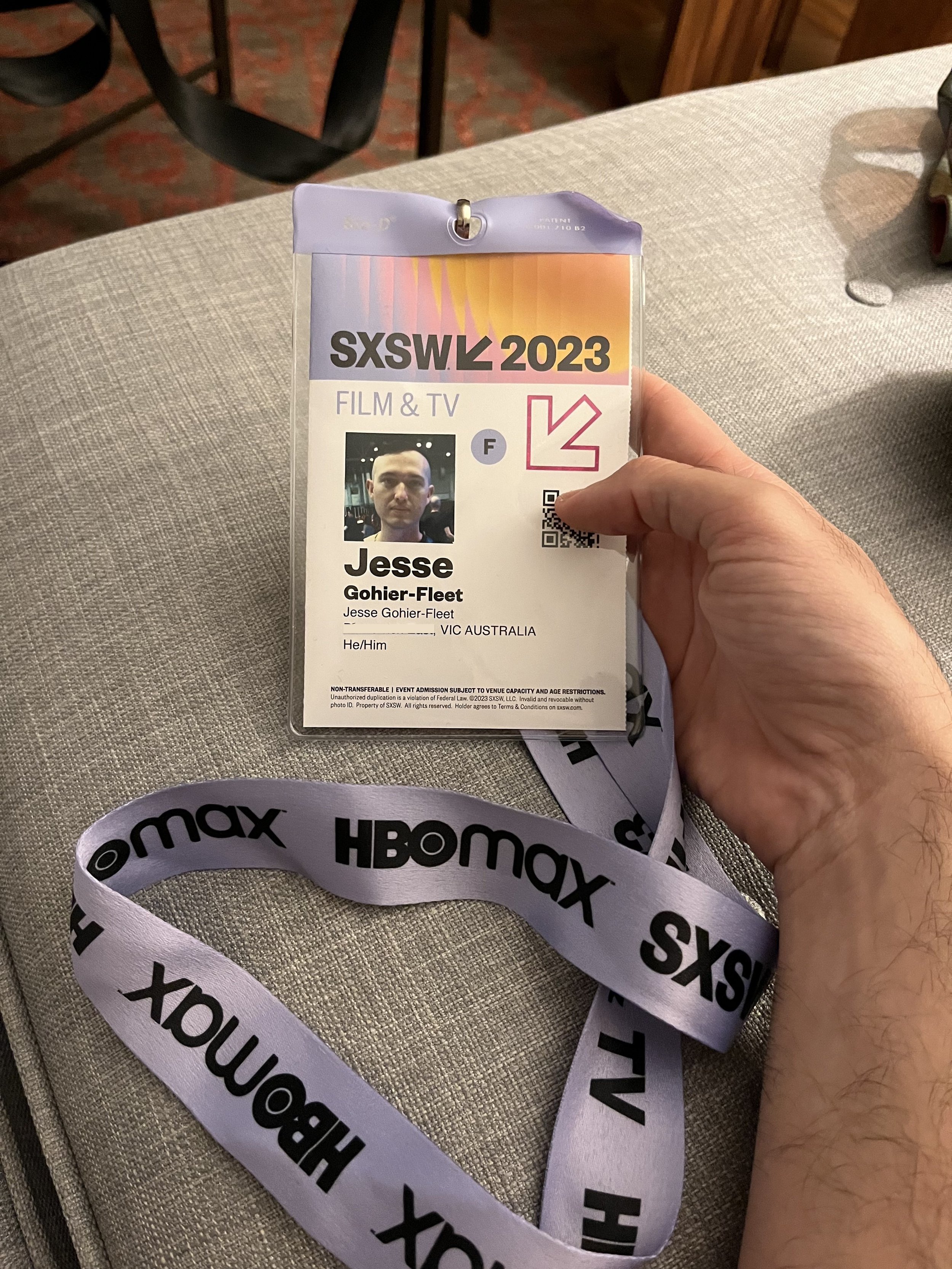
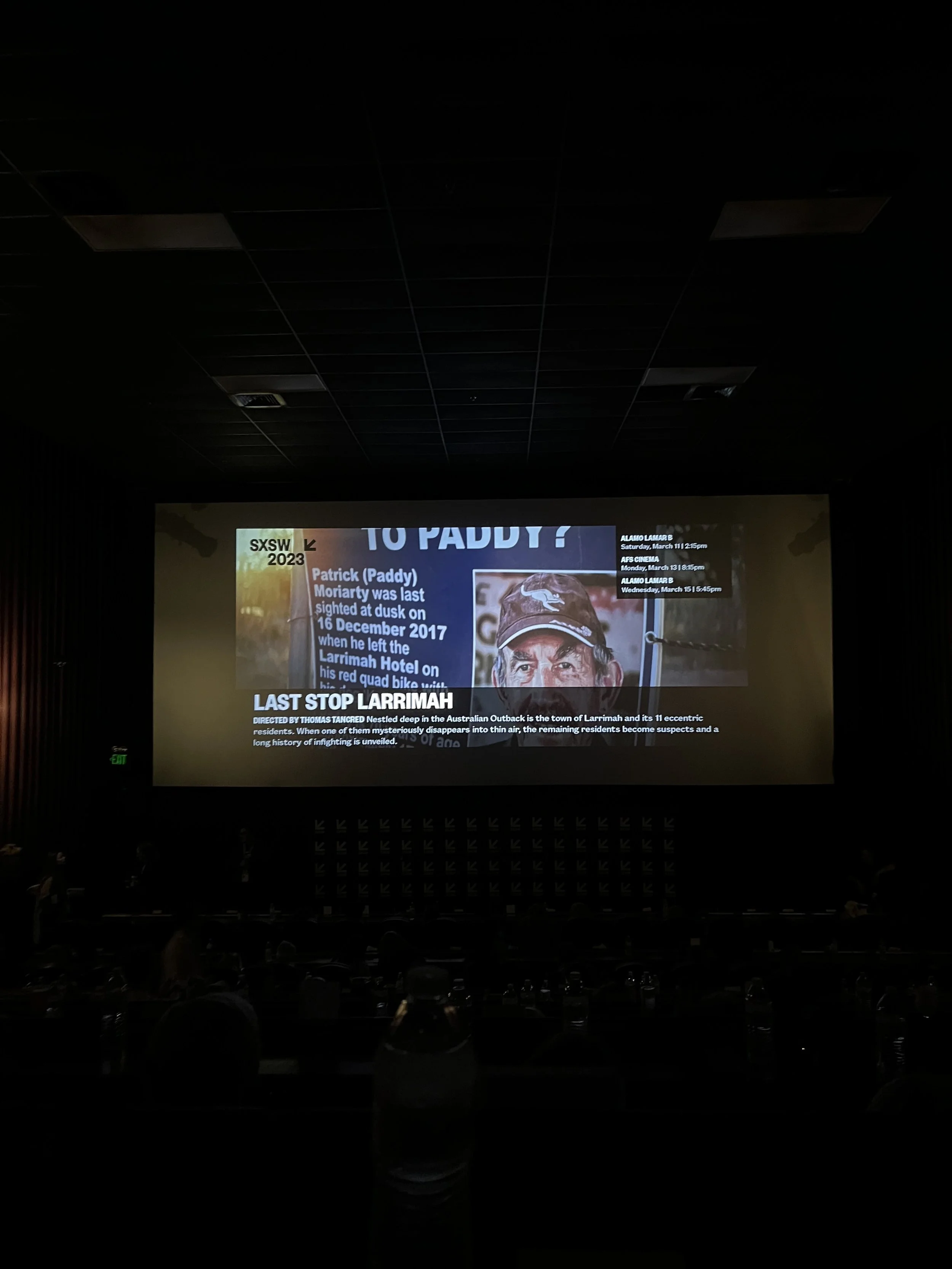
A few months after wrapping, I jumped in on the grade remotely with Vincent Taylor, tapping into the feed through an iPad from Melbourne while the team worked from LA. The project was produced by Mark and Jay Duplass, whose involvement gave the film a real platform from the outset. Then we got the news: Official Selection, SXSW Austin 2023.
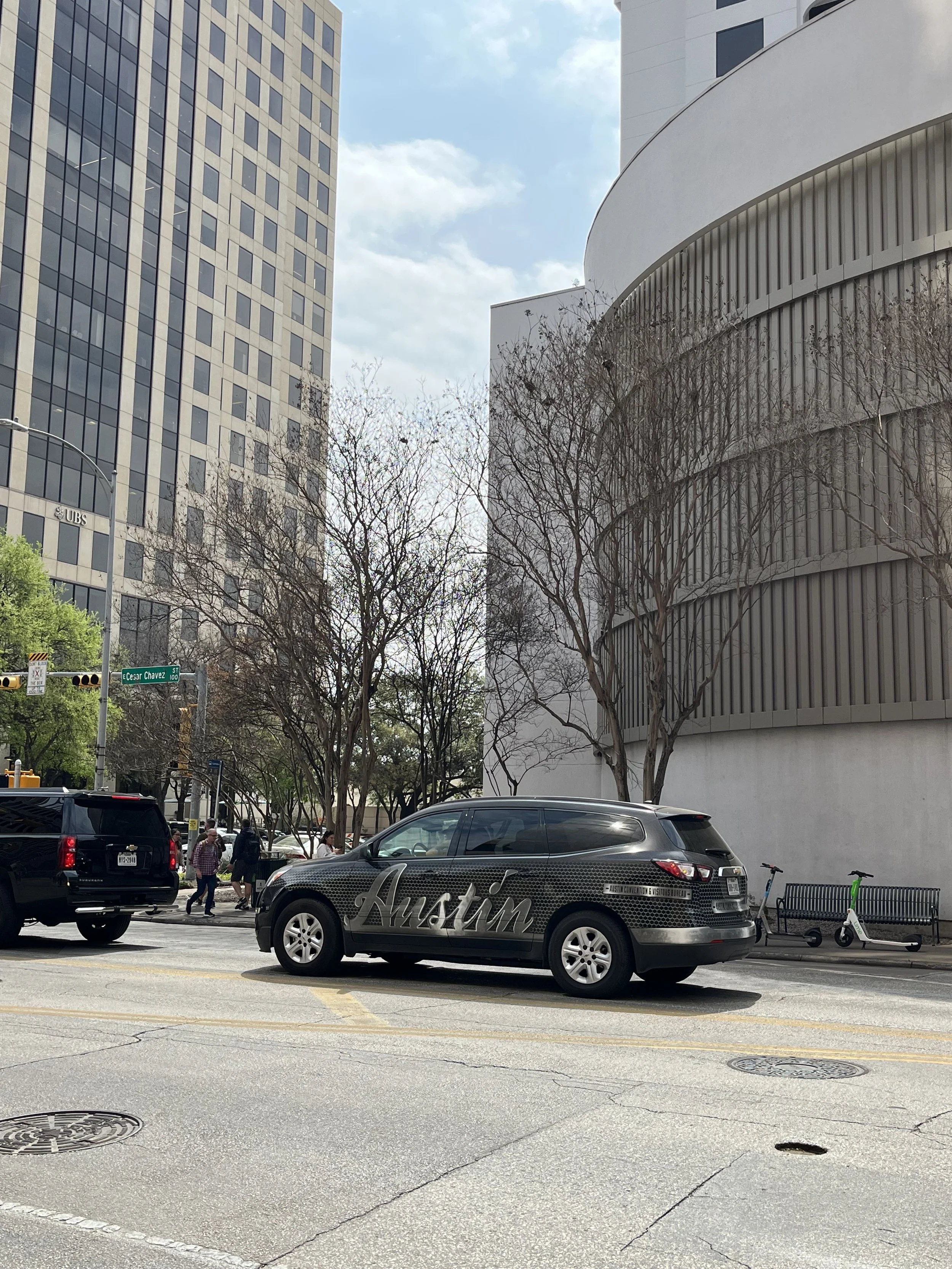
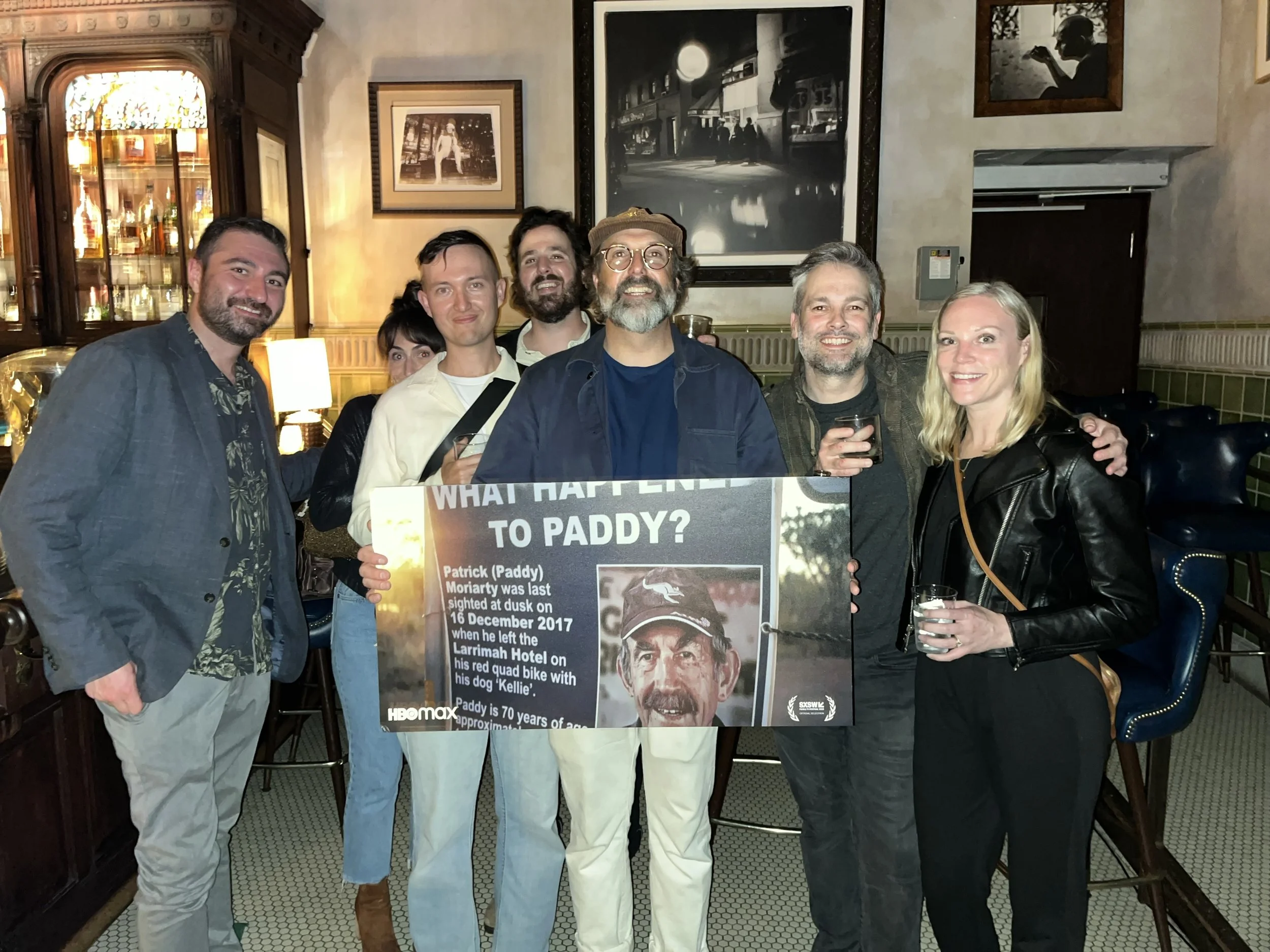
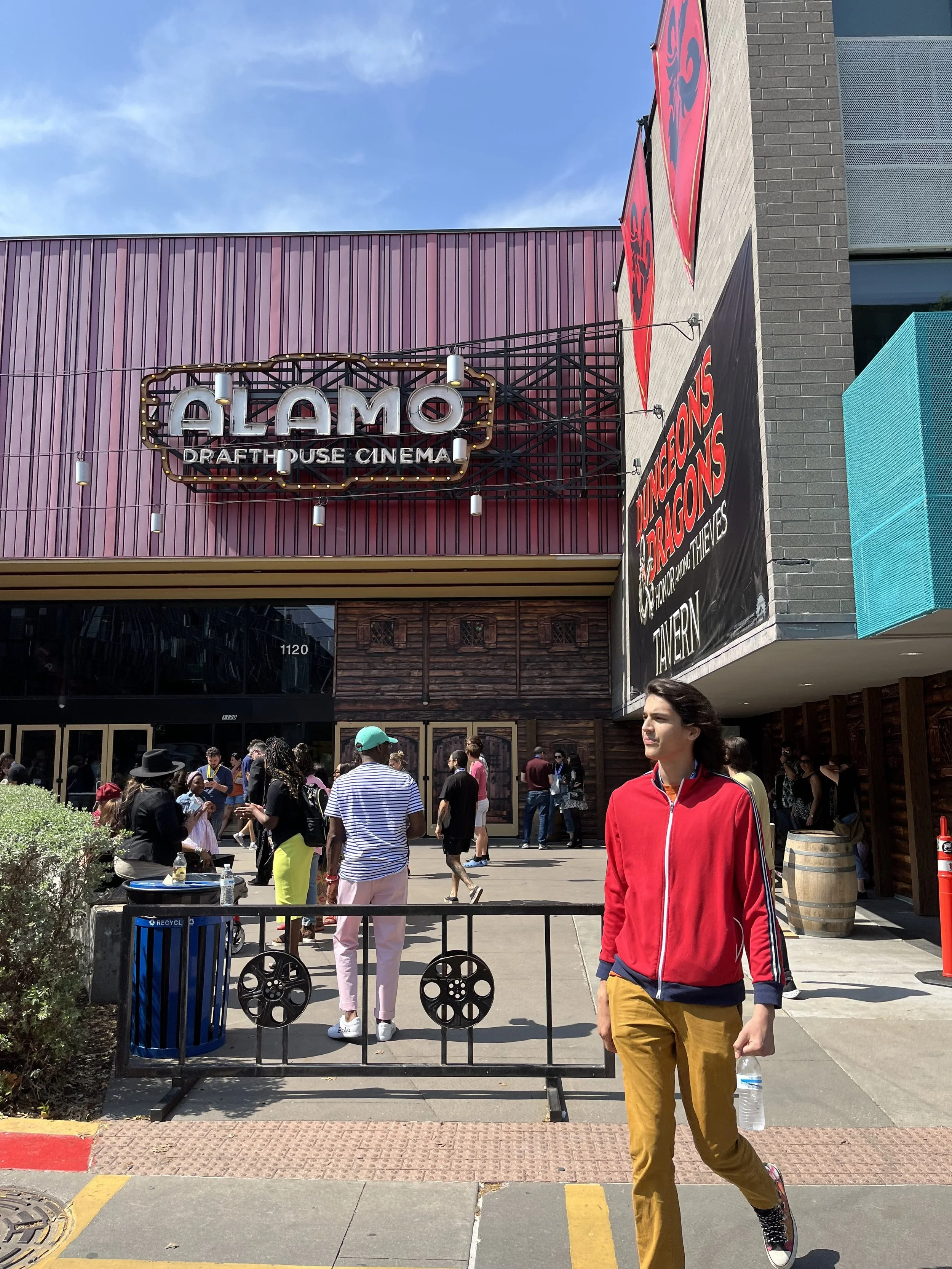
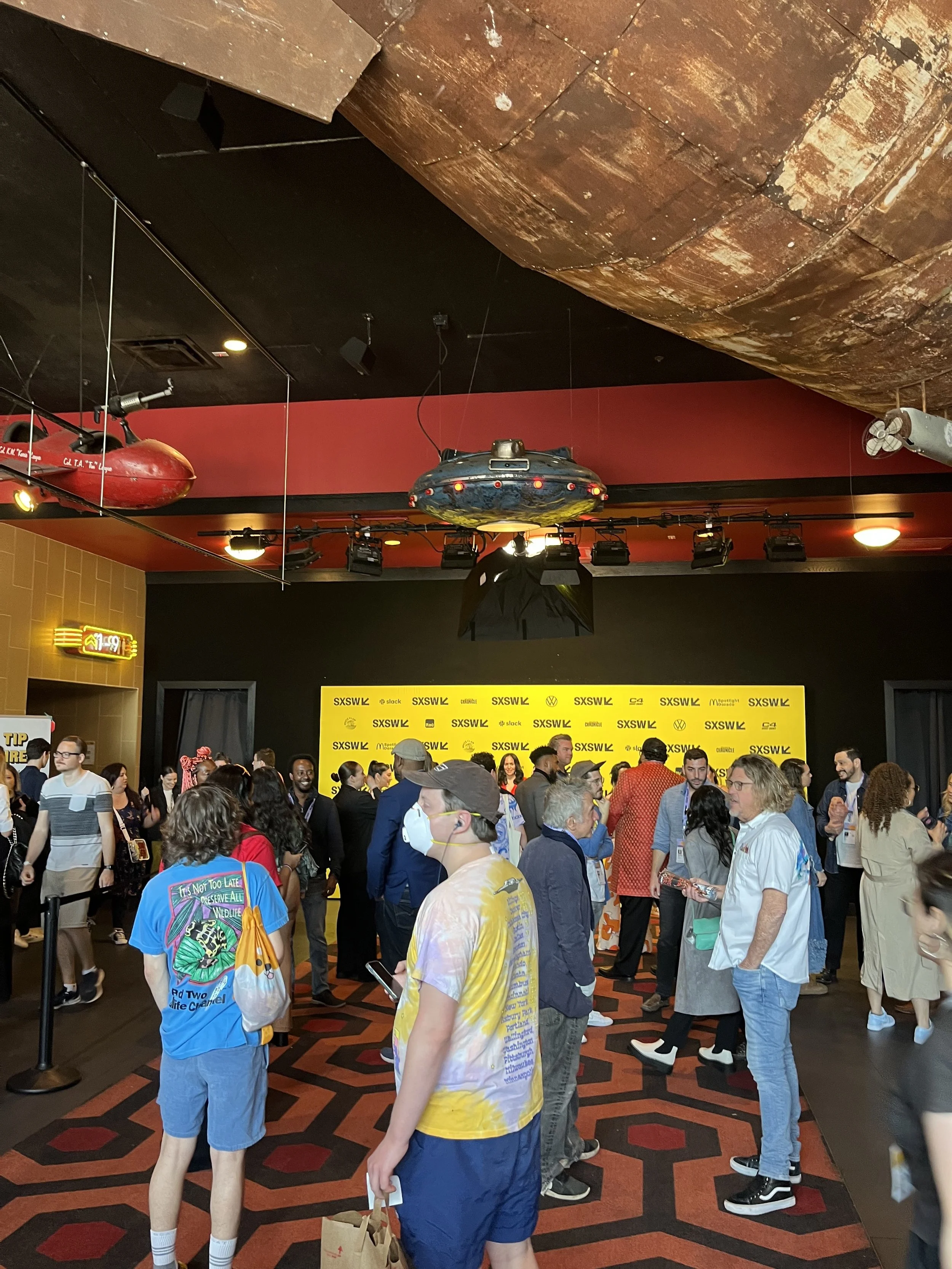
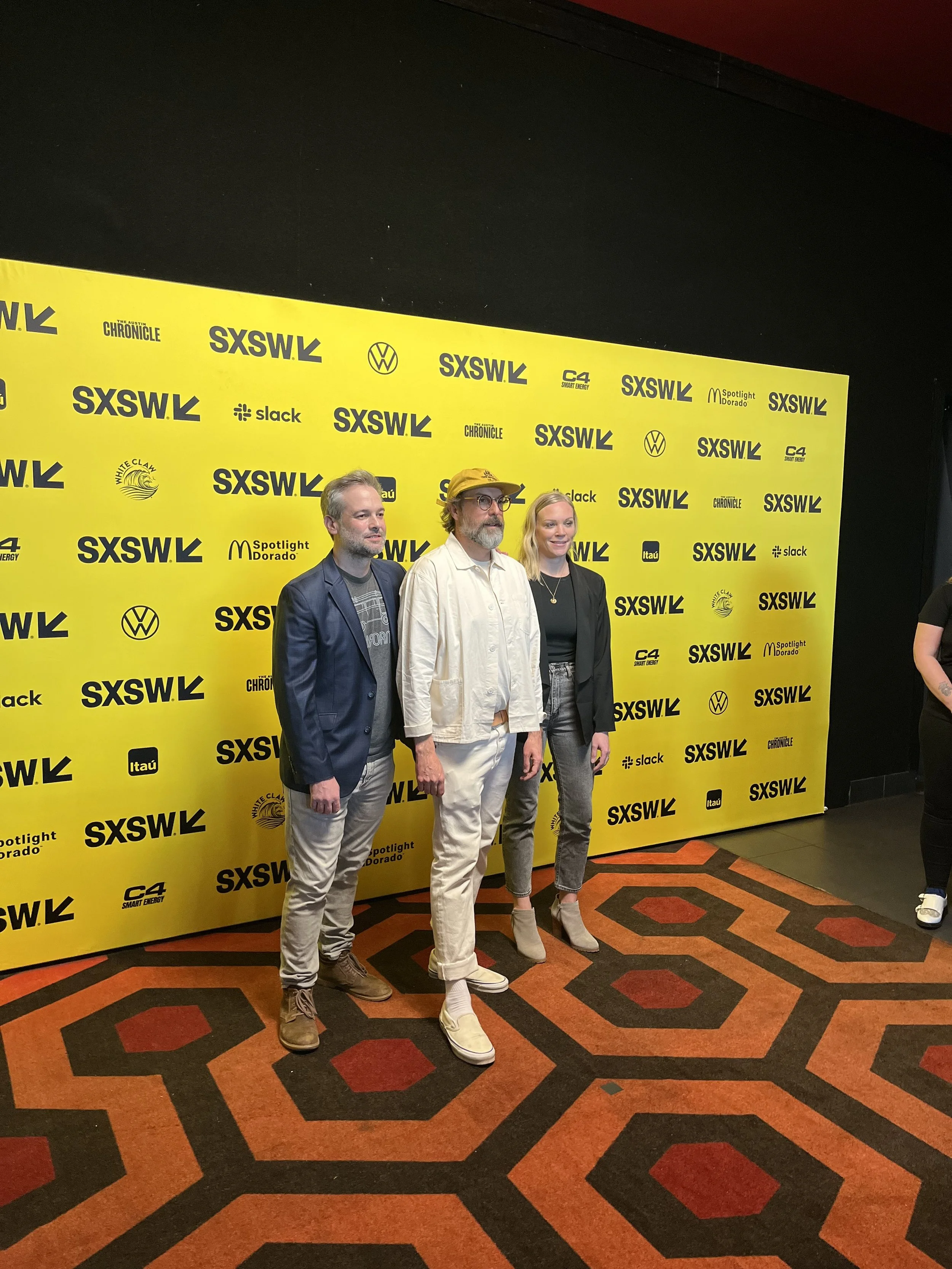
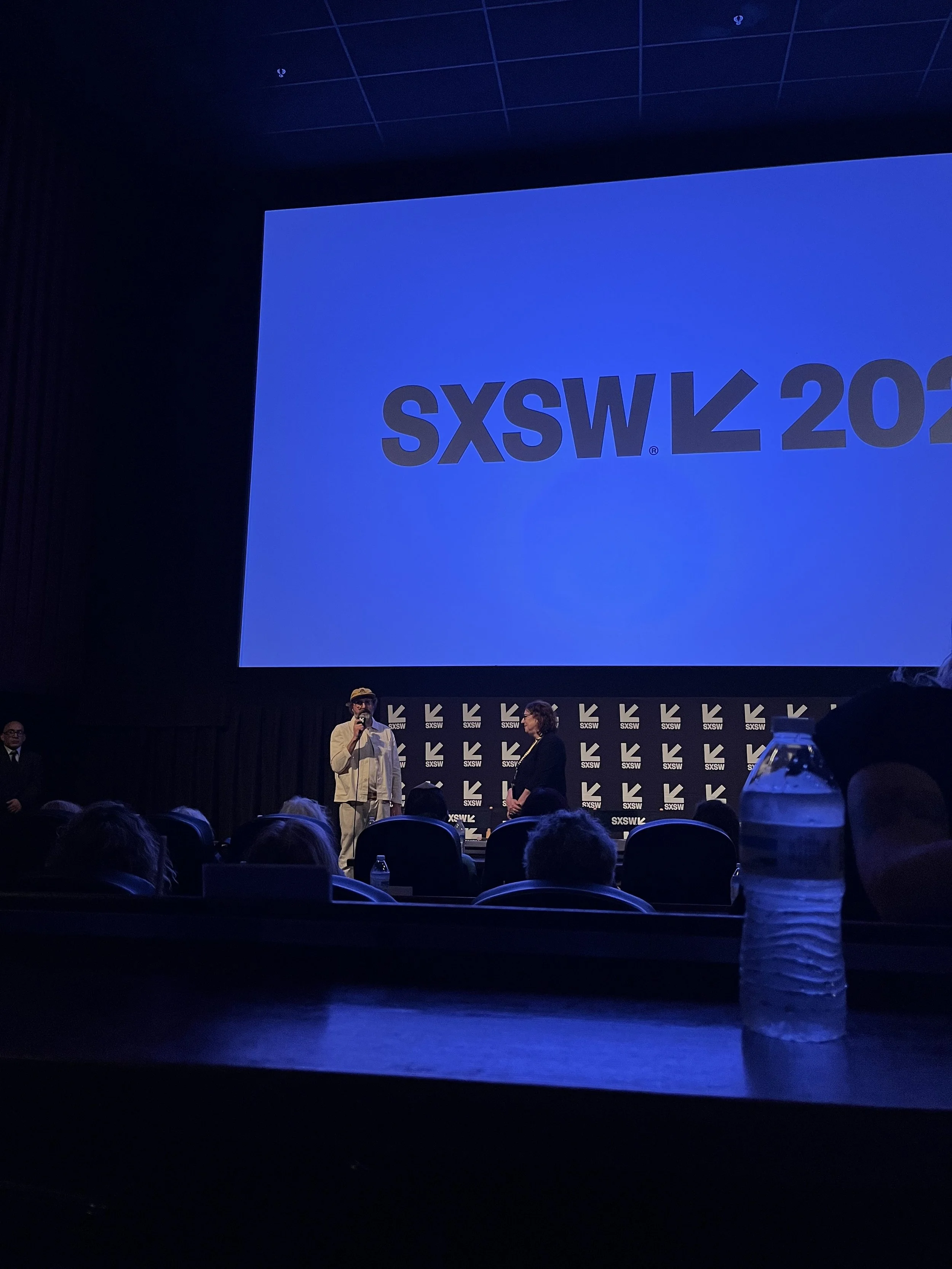
In March 2023 I flew to Austin and watched Last Stop Larrimah on a big screen with an audience for the first time. There's nothing quite like experiencing a film you've spent years making through the reactions of strangers in a dark room. I met the HBO documentary team, and caught up with producers Sean Bradley and Rebecca Saunders. Shortly after, the film dropped on HBO in the US and was distributed internationally on Netflix.
From that first cold call to the film being out in the world: five years.
What I took away
A project like this changes how you think about documentary cinematography. When you're embedded in a story for that long, returning to the same place across years, watching people age, watching a town slowly exhale, the camera becomes something you stop thinking about, you’re just in the scene as another person
The other thing I think about is how it started. A director in LA, searching "Australian DOP" on Vimeo, finding a reel. Good SEO, maybe. Or just the right project finding the right person.
Either way — always pick up the unknown numbers.
Last Stop Larrimah is streaming now on HBO in the US and Netflix internationally.
Jesse Gohier-Fleet is a Melbourne-based Director of Photography available for documentary, narrative and commercial projects across Australia and internationally.
IMDB, Hollywood Reporter, The New York Times, Rolling Stone, Amazon Prime